
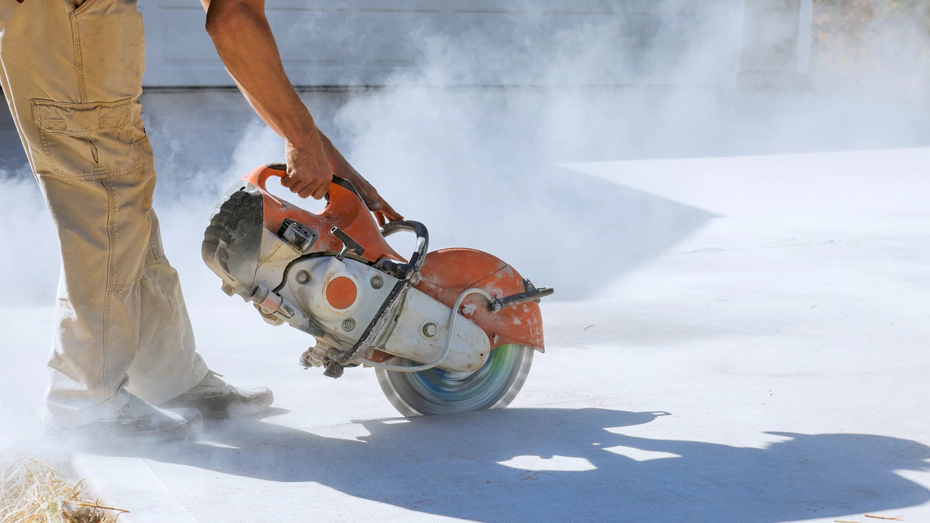
Concrete cutting and removal is a process that defines how structures evolve and survive across decades. Every cut and removal carries a great weight. So, understanding this field empowers smarter planning, safer outcomes, and durable results.
However, it is not just the contractors that must understand this concept. Even property owners, residential or commercial, have to know what it actually entails. Why? It’s because concrete cutting and removal answer various demands, such as renovations and demolitions, with calculated accuracy.
If you are interested, this article explores every single one of those benefits and offers essential clarity. But first things first—
What Concrete Cutting and Removal Truly Means?
Concrete cutting refers to the controlled modification of existing concrete structures. The process reshapes slabs, walls, columns, and foundations with measured accuracy. Removal, on the other hand, focuses on eliminating unwanted concrete entirely. Both practices require planning, skill, and advanced machinery.
Precision defines success in both the cases. Professional handling preserves surrounding materials while delivering clean results. If poorly executed, it can create cracks, instability, and costly consequences.
This work supports renovations, expansions, repairs, and infrastructure upgrades.
Why Concrete Cutting Matters in Construction?
Concrete cutting allows structures to adapt without destruction. In other words, builders reshape existing elements rather than replacing entire sections. This approach saves time and resources, but accuracy remains the defining benefit.
- Clean openings enable door installations.
- Precise channels allow plumbing access.
- Structural modifications integrate seamlessly into original frameworks.
- The building retains strength and aesthetic consistency.
Sensitive environments, in particular, benefit greatly from this controlled cutting. The best examples include hospitals, schools, and commercial buildings that depend on minimal disruption. Diamond cutting techniques meet these demands with refined execution.
Concrete cutting is also incredibly helpful in the case of heritage buildings, as they require extreme care and preservation. This approach supports restoration while protecting historical value. This balance defines responsible construction practice.
Modern Concrete Cutting Methods Explained
Slab Sawing for Horizontal Precision
Slab sawing targets flat concrete surfaces, so floors, pavements, and bridge decks benefit from this method. The process delivers straight lines with controlled depth, ensuring smooth integration with new materials. This method suits expansion joints and trenching projects.
Typically, contractors rely on slab sawing for roadworks and warehouse modifications.
Wall Sawing for Vertical Control
Wall sawing creates precise openings in vertical surfaces, such as doorways, windows, and ventilation systems. Diamond blades maintain straight alignment throughout the cut and protect surrounding structures. Key benefits of it include:
- Vibrations remain minimal.
- Results appear sharp and professional.
- Structural balance remains intact after completion.
Core Drilling for Circular Accuracy
Core drilling produces perfectly round openings. Pipes, for instance, require exact dimensions and electrical conduits demand accuracy. This method offers great help in these requirements. It preserves surrounding concrete, reduces stress points, and keeps structural stability uncompromised.
In essence, core drilling supports modern building services without chaos.
Wire Sawing for Heavy Structures
Wire sawing handles massive reinforced concrete elements like columns, beams, and thick foundations. A diamond coated wire moves continuously through dense material, reshaping large components with controlled precision.
Flexibility is also an advantage with this method, as it can adapt to confined spaces seamlessly.
Concrete Removal Requires Strategy Not Force
Unlike what one may usually think, concrete removal is beyond breaking material. Experts see it as a calculated operation that considers safety, structure, and surroundings. Though the extent differs, this is a useful technique in various cases:
- Removal becomes necessary during demolition projects.
- Structural upgrades often require partial removal.
- Damaged concrete demands replacement.
- Renovations require reconfiguration.
Modern removal techniques prioritise and execute control with the help of varied tools and equipment. Hydraulic splitters replace brute force, precision saws guide separation points, and dust suppression systems protect air quality. One constant factor in every scenario is the safety standards.
Professional Expertise Protects Structures and People
Concrete cutting and removal appear simple at the surface level, but reality tells a different story. These tasks demand training, experience, and specialised equipment. So, hiring the right professional can make or break your project.
Professionals control depth with accuracy, as over cutting creates instability and under cutting compromises function.
Vibration management is also crucial to protect nearby surfaces. Then, controlled machinery reduces structural stress. These are some of the aspects that professionals make a difference in.
Besides, experts also follow strict guidelines for waste disposal. They choose approved facilities to handle debris responsibly, while complying with Australian construction regulations every step of the way.
Why Timely Concrete Removal Matters
Delayed removal invites larger problems, including weakened foundations and uneven surfaces. Early action is essential as it reduces repair costs and prevents further damage. It also significantly improves structural longevity.
Civil projects depend heavily on strict timelines, which makes early planning critical for smoother execution. When handled proactively, concrete removal supports long-term infrastructure reliability and overall project efficiency.
Best Practices Define Successful Concrete Handling
Planning stands as the foundation of success.
- Structural assessment precedes execution.
- Concrete thickness requires measurement.
- Reinforcement placement demands identification.
- Load bearing capacity guides decisions.
And planning leads to method selection, which determines outcome quality. To improve it even more, you can also consider debris management or recycling concrete fragments to support sustainability.Responsible disposal is always required to ensure compliance.
Plus, clear communication is also key to improving efficiency and transparency.
Conclusion
Concrete cutting and removal demand both knowledge and precision. Thus, it’s wise to research well and find the right professional to join your project. If you are interested, you can start your search with Premium Concrete Resurfacing, and we’re sure you will have no need to look further.
Contact us to know more about us.