
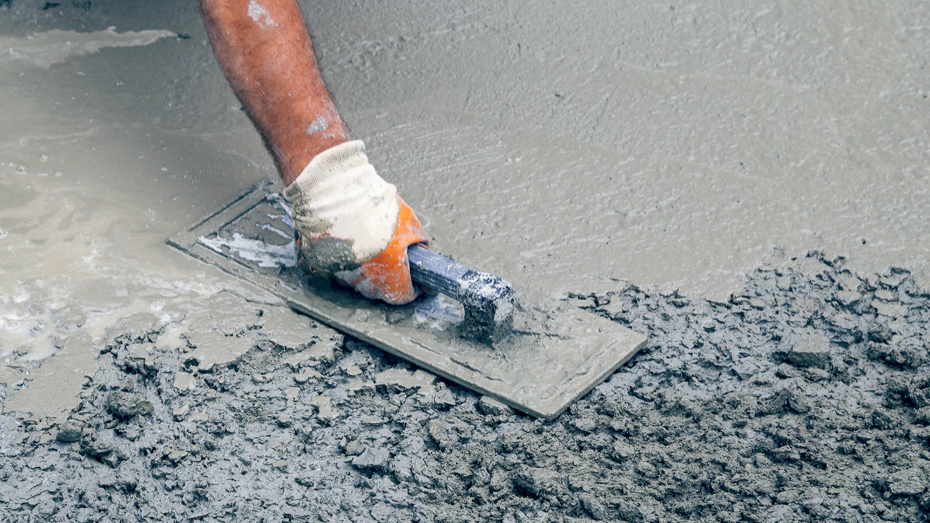
Staining, polishing, and multiple other restoration processes can transform ordinary concrete into a striking one. Driveways, garage floors and even an old patio regain life with the right finish and polish. This appeal lasts only when the surface underneath holds firm. Dust, uneven patches, or hidden cracks often weaken the bond between concrete and its coating. Here’s when professional concrete preparation comes to the rescue. In this blog, we’re going to highlight the things about surface preparation that will provide you with better insights and also ample knowledge to choose the right type.
What is Concrete Surface Preparation?
Concrete surface preparation refers to the process of cleaning, repairing, and conditioning an existing slab before applying coatings, overlays, or sealers. Contractors refine the surface first so that new treatments bond properly and remain stable over time. A concrete slab may look robust and aesthetic at first glance. However, there can be numerous issues, unidentifiable to the naked eye, causing a reduction in adhesion which may be due to dust, moisture, or minor dents. Preparation removes these barriers and restores the surface to a stable condition. When this initial stage is handled correctly, the whole flooring system works more effectively.
There are several benefits availed through concrete surface preparations. These include:
- Stronger bonding between coatings and the base layer, allowing finishes to stay intact for years.
- Removal of oils, debris, and residues that interrupt the curing process of sealers and coatings.
- Levelling uneven areas that would otherwise create weak points across the slab.
- Exposure of fresh concrete, which allows decorative treatments such as stains or epoxy to attach securely.
- Reduction of future cracking through early identification and repair of surface damage.
- Creation of a stable base that supports high-traffic environments such as garages, showrooms, and commercial floors.
What are the Different Types of Concrete Surface Preparations
Depending on the type of surface, preparation methods differ. Contractors study the slab condition, its age, and the finish planned for the space. From there, they select a method that restores the concrete and creates the right texture for bonding. These are:
Concrete Grinding
- Precise smoothing of minor ridges and surface inconsistencies
- Gentle removal of aged coatings without damaging the structural base
- Exposure of natural aggregate that supports decorative grind and seal finishes
- Consistent surface profiling that prepares the slab for modern flooring systems
Shot Blasting
Shot blasting works through controlled mechanical impact. In this process, a specialised machine releases small steel beads at high speed onto the slab. These particles strike the surface and lift away contaminants. The machine then collects the beads and debris through an enclosed vacuum system. This process keeps the worksite tidy while maintaining consistent surface preparation.
Shot blasting leaves behind a uniform texture that encourages coatings to adhere evenly. Concrete contractors often recommend shot blasting for:
- Preparing concrete floors before epoxy or polyurethane coatings
- Restoring warehouse surfaces that carry frequent machinery traffic
- Removing paint layers or sealers that sit stubbornly on older slabs
Scarifying
Concrete professionals work with heavy-duty machinery, one of them being a Scarifier. It contains rotating drums, filled with sharp cutting wheels. As this machine moves across the slab, all the unevenness chips away due to its cutters.
Due to the machine’s name, this process is called Scarifying. It’s commonly used when there are significant damages to the slab, and it needs a deeper penetration that grinding or other cleaning methods may not be able to provide. The most common uses involve:
- Restoring aged driveways
- Preparing warehouses or factory floors
- Removing built-up coatings
- Correcting uneven concrete
Crack Repair and Surface Levelling
Ground movement, exposure to the elements, and frequent use gradually cause small cracks or shallow indentations in the concrete slabs. At first, these problems might seem minor. However, coatings don’t work well if these issues aren’t fixed first.
The concrete repair process involves:
- Assessment of the concrete slab
- Identification of cracks, holes and uneven areas
- Thorough cleaning of the surface
- Filling in the cracks using specialised compounds
- Letting it cure
- Smoothening the surface
- Apply self-levelling compound across low areas of the slab
- Perform light grinding to even the surface
- Prevents moisture from getting under the coating
- Helps decorative finishes spread evenly
- Improves the overall look of the slab
- Ensures the adhesions last longer
Concluding Words
Concrete often carries the reputation of strength and durability. Yet the performance of a finished surface depends on the condition of the slab beneath it. With the right preparation, decorative coatings remain vibrant, industrial floors withstand heavy traffic, and outdoor slabs maintain their resilience against weather exposure.
At Premium Concrete Resurfacing, we specialise in restoring existing concrete rather than replacing it. Our team prepares surfaces through professional grinding, levelling, and crack repair before applying high-performance coatings. If you’re a property owner in or around Victoria, reach out to our team, and we will be happy to guide you through our services.