Concrete floors show wear over time. Cracks, spalling, stains, and dullness creep in, making it look dull and patchy. In such an instance, many property owners may think replacement is the only route. However, there exists a cost-effective method which can make the floor as good as new.
With concrete resurfacing, you can give new life to old slabs. It helps to regain the lost strength, appearance, and function. Whether you own a warehouse in Geelong, a commercial kitchen in Melbourne, or a home garage in regional Victoria, the right resurfacing type matters. We’ll walk you through what concrete resurfacing is, what types are available, how to choose, and some things to watch out for.
What is Concrete Resurfacing?
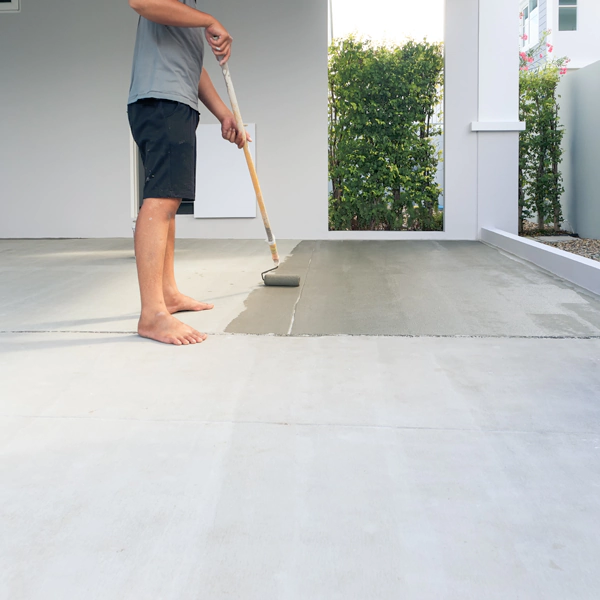
Concrete resurfacing means applying a new layer or coating over existing concrete to restore or improve its surface. It isn’t a full demolition. Instead, you grind or prep the slab, repair any damage, then use coatings, overlays, or sealers. The result is floors that have:
- Better durability
- Cleaner look
- Resistance to chemical damage or slip
In most cases, the structural integrity remains. So, even if you are facing extreme weather shifts, heavy traffic, or a constant impact from equipment, the resurfaced floor copes better.
What are the Different Types of Concrete Resurfacing?
Apart from being a quick fix to distorted floors, concrete resurfacing can also significantly improve appearance. Its varied types can be useful for both residential and commercial spaces to highlight the place. Here are details about resurfacing types with their pros and cons, so it’s easier for you to pick the right one.
Epoxy Coatings
Epoxy is one of the most used coatings. It is mixed with resin and hardener before applying over prepared concrete. The result is a tough, rigid, and seamless layer. Some epoxy finishes also include decorative flakes or chips.
Advantages
- Strong resistance to chemical spills, oil, abrasion
- Resistant to heavy foot or vehicle traffic
- Can deliver glossy, colour-customised looks
Downsides
- Tends to yellow or degrade from UV when exposed outdoors unless UV-stabilised
- Longer curing time compared to some alternatives, which can mean more downtime
- Rigid nature means less flexibility for slab movement, leading to the risk of cracking.
Best use cases
- Indoor garages, warehouses, and commercial workspaces
- Areas with high chemical exposure, such as workshops
- Floors that benefit from a glossy, cleanable finish
Polyurethane Coatings
Polyurethane has more flexibility than epoxy, which means it can handle temperature changes and slight slab movement without cracking. Because of this, it’s often applied as a topcoat over epoxy, combining epoxy’s hardness and adhesion with polyurethane’s flexibility and UV stability.
Advantages
- Flexibility that copes with temperature changes and slight slab movement
- strong UV resistance in aliphatic (costlier) versions, making them suitable outdoors
- Good abrasion and chemical resistance
Downsides
- Higher cost, especially UV-stable versions
- Thinner film thickness may need recoating in very high-wear areas
- Application demands skill to avoid premature breakdown
Polyaspartic Coatings
Polyaspartic coatings are a newer option in concrete resurfacing. They set much faster than traditional epoxies and bring together many of the strengths of both epoxy and polyurethane.
Advantages
- Cures quickly, often ready for use within a few hours
- Resists UV light well, so surfaces keep their colour outdoors
- Holds up against scratches and impacts in demanding spaces
Downsides
- Comes at a higher cost per square metre
- Fast setting time requires skilled installers
- Limited room for error during preparation or application
Concrete Grinding & Overlays
Sometimes coatings aren’t enough. In such situations, grinding concrete becomes essential. When a floor is badly worn or uneven, grinding can strip away old layers, smooth the slab, and reveal the aggregate beneath. For more serious damage, overlays made from thin layers of specialised concrete can rebuild and strengthen the surface.
Advantages
- Restores uneven or damaged slabs while hiding old flaws
- Exposes aggregate that adds grip and creates a striking finish
- Overlays provide a stronger, thicker surface for heavy-use areas
Downsides
- Requires more labour and higher investment than coatings
- Takes longer to cure and become ready for use
- Needs a sound base since structural cracks must be repaired first
Things to Consider When Choosing the Concrete Resurfacing Type for Your Place
When you choose a resurfacing method, keep these points in mind:
- How much traffic or load the floor handles, from forklifts to footfall
- Exposure to chemicals, oils, moisture or cleaning agents
- Level of sunlight and UV exposure if the area is outdoors or semi-covered
- Climate conditions in Victoria, including humidity and temperature swings
- Downtime you can tolerate during curing and installation
- Appearance goals such as gloss, matte, flake, or exposed aggregate finishes
- Condition of the existing substrate, including cracks or old coatings
- Level of maintenance you’re prepared for in the years ahead
Concluding Words
Concrete resurfacing goes beyond patch-ups. With the right system, a floor can regain strength, durability, and a sharp new look without full replacement. You save time and cost by choosing coatings like epoxy, polyaspartic, or polyurethane. Grinding and overlays take care of deeper damage. When the system matches your budget, climate, use, and base condition, the results can last decades rather than years.
For property owners seeking lasting results, Premium Concrete Resurfacing in Geelong, Melbourne and regional Victoria delivers expert solutions. From epoxy flooring and flake systems to polyurethane, polyaspartic coatings, grinding, glue removal, and sealing, the team ensures resilient, attractive surfaces. Contact us to learn more about our services.