
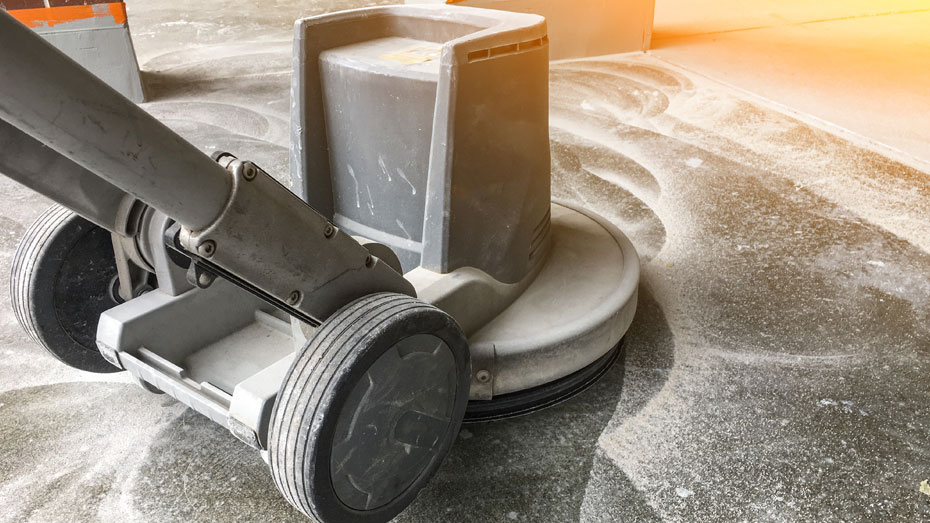
Outdoor concrete in Melbourne rarely stays flat and tidy for long, soil movement, weather, tree roots, and consistent use, all leave their mark. Even slabs that were poured properly can shift, wear, and change over time. For instance, water sits where it didn’t before, or the surface feels slick when it rains. When that happens, replacement often gets mentioned first. In reality, full removal is usually overkill. In many cases, concrete grinding solves the actual problem without tearing everything out.
Across Melbourne, grinding is commonly used to make outdoor concrete safer, more usable, and easier to maintain. It’s not about making old concrete look new, rather more about correcting the surface so it works as intended.
What Outdoor Concrete Grinding Really Does
Concrete grinding removes a thin layer from the surface of a slab using diamond grinding equipment. Outdoors, this is usually done for practical reasons rather than appearance.
Grinding is used to:
- Remove trip hazards caused by lifted edges.
- Smooth uneven joins between slabs.
- Reduce slippery surfaces, particularly around pools.
- Remove surface damage or failed coatings.
- Improve drainage where minor pooling occurs.
Most of the time, only a small amount of concrete is removed. Often just enough to take the edge off a raised section or level out a problem area. The slab itself remains intact.
Why Outdoor Concrete Shifts Over Time
Melbourne’s ground conditions play a big role. Many areas sit on reactive clay soils. Add changing moisture levels, hot summers, cool winters, and tree growth, and concrete is going to move. It’s not a sign of poor workmanship – it is just how slabs behave over time.
Driveways tend to lift at joints, paths can settle unevenly, pool surrounds often polish smooth after years of foot traffic and chemical exposure. These are common issues across both older and newer properties.
Grinding doesn’t stop movement, but it manages the consequences. It reduces hazards and restores usability.
Driveways and Pedestrian Access
One of the most common grinding jobs involves driveways and walkways. A raised panel doesn’t need to be dramatic to cause a problem. A few millimetres can be enough to catch a foot or jolt a vehicle. Grinding allows targeted correction – the raised section is lowered, the transition is smoothed, and the risk is reduced. There’s no patchwork and no colour mismatch like you get with new concrete.
For homeowners, it’s a straightforward fix. For commercial or strata properties, it’s often about meeting safety obligations without disrupting access.
Pool Surrounds and Wet Areas
Concrete around pools is a different situation. Over time, surfaces can become polished and slippery, especially when wet. This is a common issue in Melbourne homes, particularly with older pool surrounds.
Grinding reintroduces texture into the surface. It improves grip without changing the layout or requiring major work. In many cases, the ground surface is then sealed to protect it from moisture and chemicals.
This approach avoids removing fencing, coping, or drainage systems, which is often where replacement costs escalate.
Outdoor Living Areas and Courtyards
Grinding isn’t only used for safety. Many outdoor areas simply don’t age well. Stains, uneven finishes, and wear patterns can make courtyards and alfresco areas feel neglected. Grinding removes the top layer where most of that damage sits. What’s left is a consistent surface that can be sealed or prepared for further treatment. For many properties, that’s enough to make the space usable again.
It’s a practical option when the concrete itself is sound, but the surface is letting the area down.
Grinding Versus Replacement
Replacing concrete is disruptive. It involves demolition, removal, formwork, pouring, curing, and restricted access. Costs add up quickly, especially outdoors where areas are often large.
Grinding works with what’s already there. In many cases:
- Work is completed within a day.
- Access is maintained or only briefly restricted.
- There’s far less mess and waste.
- The area can be used sooner.
Grinding isn’t suitable for every slab. If the concrete is badly cracked or sinking significantly, replacement may still be required. But for surface problems, grinding is often the more sensible option.
Noise, Dust, and Disruption
Outdoor grinding does involve noise, but it’s short-term. Modern equipment uses dust extraction systems that significantly reduce airborne dust. Being outdoors also helps contain it. For residential jobs, disruption is usually minimal. For commercial sites, work can often be scheduled to avoid peak use times.
Environmental Considerations
Grinding existing concrete reduces waste and avoids unnecessary demolition. Less material ends up in landfill, and fewer new resources are required. For Melbourne properties looking to maintain existing assets rather than replace them, grinding aligns with more sustainable maintenance practices.
When Grinding Isn’t the Right Solution
Grinding has limits. It won’t fix major structural issues or slabs that have failed at depth. In those cases, grinding may still be part of a broader repair process, but it won’t be the only step. A proper assessment matters. Always remember, grinding should solve the problem, not just mask it.
Final Thoughts
Outdoor concrete needs to be safe, stable, and functional. Grinding addresses common issues without the cost and disruption of replacement.
For many Melbourne properties, it’s a practical way to extend the life of outdoor concrete and keep spaces usable by correcting the surface that people actually walk and drive on.
At Premium Concrete Resurfacing we offer both concrete grinding and replacement services. If you are confused which one is the right choice for your property, our experts can guide you through the process and ensure you give your concrete surfaces a durable and cost-effective fix.