
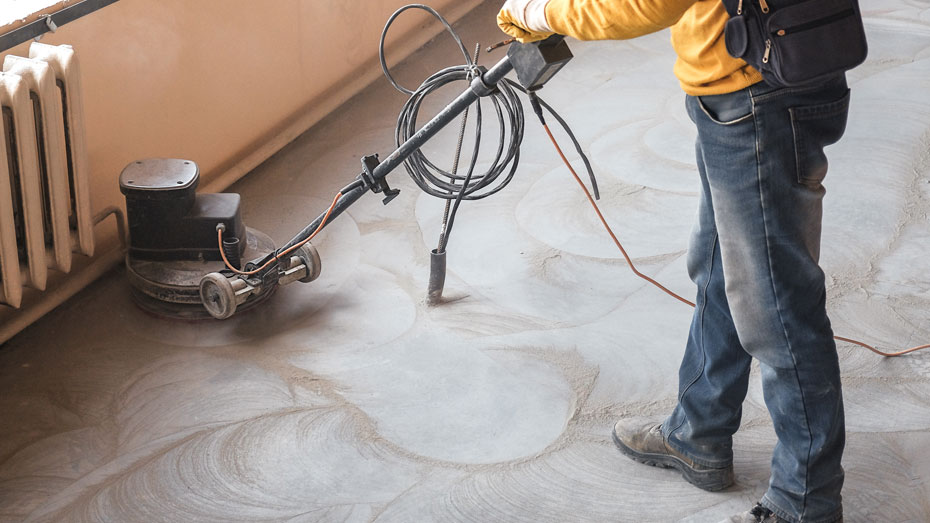
Concrete surfaces need proper prep if you want them to look clean. Grinding helps you get there. It smooths rough spots, removes old coatings, and gets the surface ready for polishing or sealing. When you do it right, you get a solid and even base that holds up well over time.
This guide walks through practical grinding techniques. You will see simple steps that lead to a clean and even finish.
Understanding Concrete Grinding
Concrete grinding removes the top layer of the surface using abrasive tools. Contractors use machines with rotating discs fitted with diamond segments. These segments cut into the concrete and level it.
Each grinding level serves a purpose. Coarse grinding removes thick layers, paint, or glue. Medium grinding smooths the surface. Fine grinding gets it ready for polishing or sealing.
Choosing the Right Equipment
The tools you pick affect the result. Contractors use handheld grinders for edges and tight spots. They use large floor grinders for open areas to get even coverage.
Diamond segments come in different grit sizes. Lower grit like 16 or 30 removes heavy material. Medium grit like 60 or 80 smooths things out. Higher grit like 120 or more prepares the surface for finishing.
Match the tool and grit to the job. This saves effort and improves the outcome.
Preparing the Surface
Start with a clean surface. Remove dust, grease, and loose particles. This helps the grinder cut evenly and protects the equipment.
Check for cracks or damage. Fix these areas before you begin, use the right filler and let it cure fully. If you see old coatings, check how thick they are. Thick layers need more aggressive grinding.
Mark problem spots so you can deal with them properly during the process.
Using the Right Grinding Technique
Begin with a coarse grit. Move the grinder in a steady pattern and do not hold it in one place for too long or you may create dips.
Work section by section. Overlap each pass slightly so you do not leave marks. Keep a steady pace as you move across the surface.
After the first round, switch to medium grit and follow the same pattern. This step removes scratches from the first pass.
Finish with a fine grit. This prepares the surface for sealing or polishing and gives it a uniform look.
Wet Grinding and Dry Grinding
You can choose wet or dry grinding based on the job.
Wet grinding uses water to control dust and cool the tools. It often gives a smoother finish and helps the diamond segments last longer. It does create slurry, so you need to clean that up.
Dry grinding uses a vacuum to control dust. It works faster and cleanup is easier. Many contractors prefer this method indoors.
Pick the method that suits your site and working conditions.
Managing Dust and Safety
Grinding creates fine dust that can affect your health. Wear a mask or respirator, safety glasses, and gloves.
Use a vacuum system when you grind dry. This keeps the area cleaner and helps you see your work. If you grind wet, handle the slurry carefully to avoid slips.
Keep air moving in the space so you stay comfortable while you work.
Fixing Uneven Surfaces
Uneven concrete needs extra work. Start with a coarse grit to level high spots. Focus on those areas but blend them into the rest of the surface.
Check your progress often. Use a straight edge or level to see if the surface is even. Take your time here because this step affects the final look.
Once the surface looks even, move to medium and fine grinding.
Edge Grinding Techniques
Edges need a different approach. Large machines cannot reach them, so use a handheld grinder. Use the same grit steps as the main floor.
Move slowly and keep your hand steady. Do not press too hard or you may damage the edge.
Blend the edges into the main area so the finish looks smooth all the way through.
Polishing After Grinding
Grinding gets the surface ready, but polishing gives it the final look. Use polishing pads with higher grit after fine grinding.
You can apply a densifier if needed. It helps strengthen the surface and improves the polish. Keep polishing until you reach the finish you want.
A polished surface looks better and stands up well to wear and stains.
Sealing the Surface
Sealing protects the concrete and helps it last longer. Apply a suitable sealer after grinding and polishing.
Sealers help block moisture, stains, and damage. Some give a glossy look while others keep it natural. Apply it evenly and let it dry as directed.
With regular care, the surface stays in good shape.
Common Mistakes to Avoid
Small mistakes can ruin the finish, so pay attention during each step.
- Rushing the Grinding Process: Moving too fast leads to uneven areas and scratches. Take your time and follow each step.
- Using the Wrong Equipment: Not every tool suits every job. Pick the right grinder and grit for better results.
- Skipping Surface Preparation: Starting without cleaning or repairs leads to poor results later.
- Ignoring the Grit Sequence: Skipping grit levels affects smoothness. Follow the full sequence from coarse to fine.
- Neglecting Safety Measures: Dust can harm your health. Use proper safety gear and dust control.
Benefits of Proper Concrete Grinding
Good grinding improves both looks and strength.
- Creates a Smooth and Even Surface: It removes rough spots and leaves a clean finish.
- Improves Surface Strength: A well ground surface handles daily use better.
- Enhances Coating and Sealer Bonding: It helps coatings stick well and last longer.
- Reduces Maintenance Needs: Smooth surfaces stay cleaner and need less upkeep.
- Delivers a Professional Appearance: It gives the space a neat and polished look.
Conclusion
Concrete grinding helps you get a smooth and strong surface that lasts. When you use the right tools, follow the grit steps, and work with care, the results show clearly. Each step matters, from prep to finishing.
If you want reliable results without guesswork, we handle this work every day. At Premium Concrete Resurfacing, we focus on detail and consistency in every project. We move through each stage with care and use methods that deliver steady results. Whether you need surface prep, polishing, or full resurfacing, we help you achieve a finish that looks right and holds up over time.