A dull, gray driveway or stained garage floor can make your property look older than it really is. The natural fix is to replace the concrete, but breaking up the slab and putting down new concrete is extra labour and cost. In such circumstances, concrete resurfacing can be a better alternative.
Let’s have a close look at what it is, what are the available types and understand costing so taking the ultimate decision becomes easier.
What Is Concrete Resurfacing?
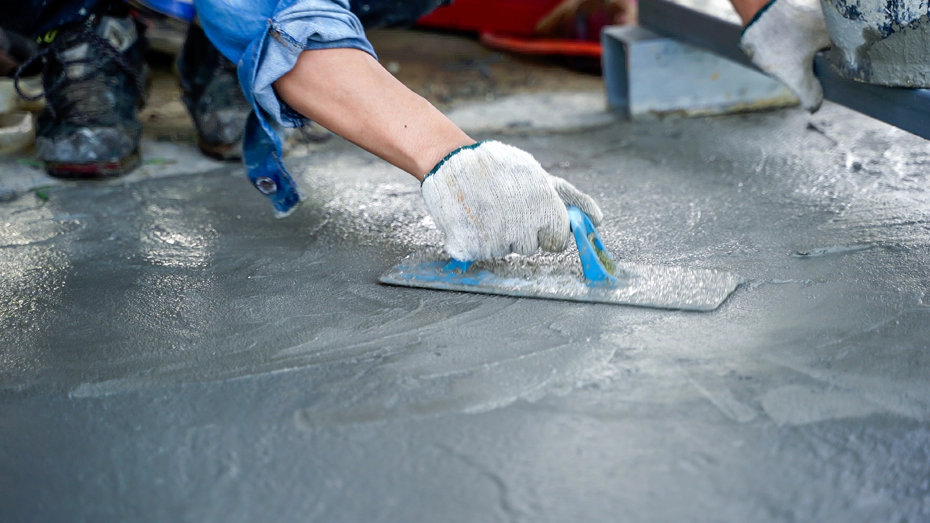
Concrete resurfacing involves renewing an existing concrete surface without necessarily removing the entire slab. Depending on its condition and the finish you want, a contractor may apply a resurfacing overlay, install a protective coating or grind and seal the concrete.
The aim is to give the surface a fresh appearance while addressing minor imperfections and providing suitable protection against everyday wear.
It’s to be noted that resurfacing is not a cure for every problem. Deep structural cracks, significant movement and extensive deterioration need proper assessment. If the underlying slab is unstable, replacing it may be the more sensible long-term decision.
Concrete Resurfacing Options for Australian Buildings
A garage floor and an outdoor driveway have very different demands. Before settling on a finish, consider the traffic the concrete handles, its exposure to weather and the appearance you want.
Cementitious Concrete Overlays
A cement-based or polymer-modified overlay creates a renewed surface over prepared concrete. Depending on the product, it can be coloured or textured to suit driveways, pathways, patios and alfresco areas.
This option can refresh a dated outdoor space without removing the existing slab. However, the concrete underneath must be stable enough to support the overlay.
Epoxy and Flake Flooring
Epoxy coatings form a protective layer over prepared concrete. If you want something more decorative, coloured flakes can be added to the system and sealed beneath a compatible topcoat.
These finishes are popular for garages, workshops and selected commercial interiors. You can choose a colour combination that complements the space while considering the demands of everyday use.
Concrete Grind and Seal
Prefer the natural appearance of concrete? Grind and seal may be worth considering. The contractor mechanically grinds the surface before applying a suitable sealer.
The final appearance depends on the existing slab, including its colour and the aggregate exposed during grinding. This approach suits spaces where you want to retain the character of the concrete rather than cover it with a conventional overlay.
Polyurethane and Polyaspartic Coatings
These specialist coatings are used in selected residential, commercial and industrial flooring systems. Their properties vary by product, so the right choice depends on traffic, exposure conditions and the performance required. Ask your contractor which system is appropriate for your space.
How Do Concrete Contractors Perform Resurfacing?
Although it does not involve the entire floor construction process, the resurfacing process requires some specific steps to achieve desired output and durability. Generally, what all happens in a concrete resurfacing project includes:
- Checking for cracks, loose sections and moisture concerns
- Thoroughly cleaning the concrete to remove oil, grease, dirt and loose particles.
- Grinding or stripping away old paint, adhesives and sealers
- Preparing the surface to create the right texture by repairing minor cracks, chips and imperfections where needed.
- Applying a suitable primer or bonding agent if the selected resurfacing system requires one.
- Carefully applying the chosen overlay or coating, adding decorative flakes or colours.
- Adding a compatible sealer or protective topcoat
- Allowing the concrete to cure for the recommended period before foot traffic
- Checking the finished floor for visible issues and confirming when it is ready for regular use.
Not every project follows the same sequence. Grind and seal, for instance, does not involve a conventional overlay. Also, concrete grinding can release hazardous crystalline silica dust. WorkSafe Victoria’s guidance on preventing silica dust exposure explains why appropriate controls are necessary during this work.
Estimated Costs of Concrete Resurfacing in Melbourne
How much should you set aside for resurfacing? The answer depends on the finish, the condition of your concrete and the work required before installation.
The hipages concrete resurfacing cost guide for 2026 puts Australian prices at approximately 70–165 per square metre. At those rates, resurfacing a 30 m² area could cost 2,100–4,950. These are national estimates, not fixed Melbourne prices, and specialist coating systems may be quoted differently. A few aspects that can increase your final costing include:
- Presence of deep pits, stubborn stains and damaged patches
- Choice of resurfacing method
- Time required to prepare the floor for resurfacing
- Choice of design (custom colours and decorative patterns can increase the final price)
- Total square meter area
- Difficult access in case of tight spaces or awkward layout
All the above mean that labour, time and materials used can be substantially higher. Hence the prices also escalate.
How Can You Keep Costs Down Without Cutting Corners?
Start thinking about how you’ll use the space. A garage for everyday parking doesn’t need a fancy decorative finish but a showroom may need a more considered design. Choosing what suits the area helps you avoid paying for features you do not need.
Also, compare quotes carefully. One contractor may include preparation, repairs and protective coats, while another may list some of these as additional charges. Check the scope of work before comparing the final figures.
Clear vehicles, furniture and stored items, as far as possible and if they agree, before the contractor arrives. This can help prevent delays. However, don’t cut costs by skipping necessary preparation or choosing an inappropriate product. A coating that fails prematurely can leave you paying for repairs or another application.
Final Thoughts
If your concrete is old and damaged, but the slab is still salvageable, resurfacing can save you from the hassle of a complete replacement. The right choice comes down to the condition of your surface, the way you use it and the finish you have in mind.
At Premium Concrete Resurfacing we can help you explore the options for your property. Contact us to discuss your Melbourne concrete resurfacing project and request a quote tailored to your requirements.