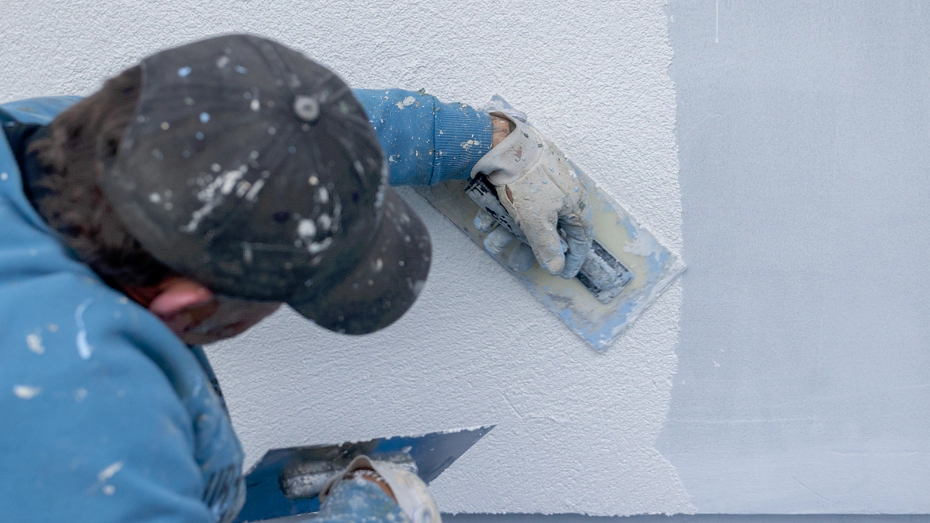
Commercial plastering plays a major role in the look, durability, and performance of a building. Offices, retail stores, warehouses, medical centres, and hospitality venues all rely on smooth and properly finished walls and ceilings. Poor plastering work can create long term problems that affect both appearance and structural quality.
Many commercial property owners in Melbourne focus heavily on flooring, painting, lighting, and fit outs while overlooking plastering quality. This often leads to costly repairs later. Cracks, uneven finishes, moisture damage, and poor workmanship can affect the final outcome of a commercial project and delay business operations.
Melbourne’s weather also creates extra challenges for commercial plastering. Temperature changes, moisture, and humidity can affect drying times and material performance. Contractors need proper planning and experience to handle these conditions correctly.
Here are some common commercial plastering mistakes to avoid in Melbourne:
Choosing the Cheapest Contractor
One of the biggest mistakes property owners make is hiring the cheapest plastering contractor available. Low pricing may look attractive during the early planning stage, but poor workmanship usually creates higher repair costs later.
Commercial projects usually involve large wall areas, suspended ceilings, partition systems, and detailed finishing work. Inexperienced contractors may struggle to maintain consistency across the entire project.
Instead of focusing only on price, businesses should consider experience, previous commercial projects, customer reviews, and workmanship quality.
Ignoring Surface Preparation
Proper surface preparation is essential before plastering begins. Many problems appear because contractors skip this step or rush through it.
Dust, grease, moisture, loose debris, and damaged surfaces prevent plaster from bonding correctly. If the surface is not prepared properly, plaster may crack, bubble, or separate from the wall over time.
Commercial buildings often contain different surface types including concrete, brick, plasterboard, and rendered walls. Each material requires proper preparation methods.
Good contractors inspect surfaces carefully before starting work. They repair damaged areas, clean surfaces thoroughly, and apply primers where needed. This helps create strong adhesion and a smoother finish.
Using Low Quality Materials
Some contractors reduce costs by using cheaper plaster products and materials. While this may save money initially, it often reduces durability and finish quality.
Low quality plaster may shrink during drying, develop cracks, or fail under changing temperatures. Commercial properties experience constant use and higher traffic compared to residential spaces. Walls and ceilings must handle daily wear without showing damage quickly.
High quality materials provide better strength, smoother finishes, and improved longevity. They also perform better under Melbourne’s changing weather conditions.
Property owners should discuss product quality with contractors before work starts. Reliable plasterers usually recommend trusted commercial grade materials that suit the building type and environment.
Moisture is a serious issue in commercial plastering projects. Melbourne’s climate can create moisture related problems if contractors fail to manage ventilation and drying conditions properly.
Plaster applied in damp conditions may dry unevenly. Excess moisture can also lead to mould growth, staining, peeling paint, and weakened plaster surfaces.
Bathrooms, kitchens, medical facilities, and hospitality venues need extra attention because these spaces regularly experience higher moisture levels.
Experienced plasterers use moisture resistant materials where necessary and ensure proper ventilation during the drying process. They also inspect walls for existing water damage before applying plaster.
Ignoring moisture problems during plastering can create major repair costs later.
Rushing the Drying Process
Commercial projects often operate under strict deadlines. Because of this, some contractors rush the plaster drying process to finish faster.
This creates serious problems. Plaster needs enough time to cure properly before sanding, painting, or applying finishes. If contractors speed up the process using excessive heat or poor ventilation methods, cracks and surface damage may appear later.
Rushed drying also affects paint adhesion and overall finish quality.
Professional plasterers follow manufacturer recommendations for drying times. They allow each layer to dry properly before continuing with the next stage.
Patience during plastering work helps achieve stronger and longer lasting results.
Visible joints and uneven surfaces are common signs of poor commercial plastering work. This usually happens when contractors fail to finish plasterboard joints correctly.
Commercial interiors often contain large wall and ceiling spaces with direct lighting. Poor joint finishing becomes highly visible under office lighting, retail displays, and natural sunlight.
Uneven joints affect the professional appearance of the entire space. They also create problems during painting because imperfections become more noticeable after paint application.
Good plasterers apply joint compounds evenly, sand surfaces carefully, and inspect the finish under proper lighting conditions before completion.
Ignoring Building Movement
Commercial buildings naturally expand and contract due to temperature changes, structural movement, and environmental conditions. Contractors who ignore movement control during plastering increase the risk of cracking.
Large commercial spaces especially require proper expansion joints and flexible materials in certain areas.
Melbourne buildings experience changing temperatures throughout the year. Without movement allowances, plaster surfaces may crack near ceilings, corners, and wall joints.
Experienced commercial plasterers understand where movement joints should be placed and which materials work best for flexible performance.
Lack of Communication During the Project
Poor communication often causes delays and costly mistakes in commercial plastering projects.
Property owners, builders, electricians, painters, and plasterers all need proper coordination. If communication breaks down, plastering may begin before electrical or plumbing work is complete. This can lead to unnecessary repairs and rework.
Clear scheduling and regular updates help avoid confusion during construction.
Professional plastering contractors communicate timelines clearly, discuss potential issues early, and coordinate properly with other trades on site.
Overlooking Safety Standards
Commercial plastering sites must follow strict safety requirements. Some contractors overlook safety procedures to save time, which creates risks for workers and building occupants.
Unsafe work practices can result in injuries, project delays, legal problems, and financial penalties.
Commercial plastering often involves working at heights, handling heavy materials, and using equipment in busy construction environments.
Reliable contractors follow Australian safety regulations, use proper protective equipment, and maintain clean work areas throughout the project.
Failing to Inspect the Final Finish
Some property owners make the mistake of approving plastering work without a detailed inspection.
Small imperfections may not appear obvious immediately after completion. Once lighting, paint, and furniture are installed, flaws often become more noticeable.
Before signing off on the project, property owners should inspect walls and ceilings carefully under proper lighting conditions. They should check for uneven surfaces, cracks, sanding marks, visible joints, and poor corner finishes.
Professional contractors usually conduct their own quality inspections before handing over the project.
Commercial plastering affects both the appearance and durability of a building. Mistakes during the plastering process can lead to cracks, moisture damage, uneven finishes, and expensive repairs later.
Melbourne commercial projects require experienced contractors who understand local conditions, commercial standards, and proper installation methods. Choosing qualified professionals, using quality materials, allowing proper drying time, and maintaining clear communication can prevent many common problems.